
How to Estimate a Bathroom Remodel: A Contractor’s Complete Pricing Guide
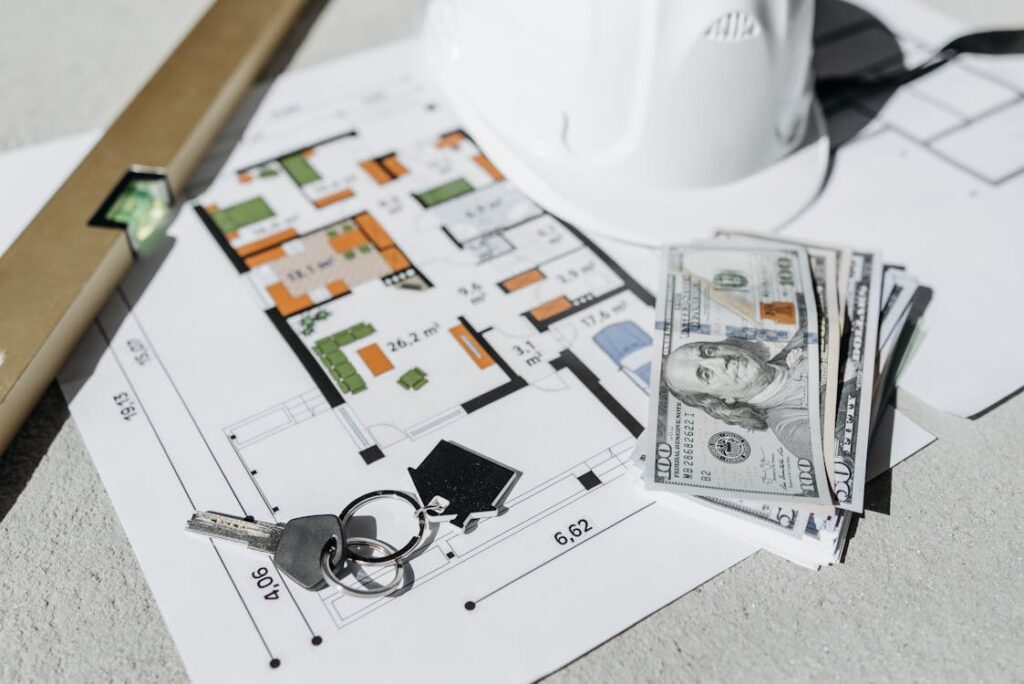
If you’ve ever spent three hours putting together a bathroom remodel estimate only to lose the job on price, you know the problem. Learning how to estimate a bathroom remodel accurately — and fast — is one of the most valuable skills a remodeling contractor can sharpen. Get it right and you win the job at a margin that makes sense. Get it wrong and you’re either eating costs or handing the job to a competitor who quoted lower.
This guide walks through every major cost category, how experienced contractors think about scope, and how to speed up the whole process without sacrificing accuracy.
Why Bathroom Remodels Are Tricky to Estimate
Bathrooms pack more labor-intensive trades into a small space than almost any other room in a house. A single bathroom remodel can involve plumbing, tile, electrical, drywall, painting, cabinetry, and finish carpentry — all in a room that’s rarely bigger than 60 square feet. That density is exactly what makes bathroom estimates easy to underbid.
The other challenge: hidden conditions. Water damage behind walls, out-of-code plumbing, shower pans that weren’t properly waterproofed — these show up after demo, not before. Experienced contractors build contingency into their numbers; newer contractors often don’t.
Bathroom Remodel Cost Categories
Labor
Labor typically runs 40–60% of a bathroom remodel total cost. The breakdown looks roughly like this:
- Demo and disposal: $300–$700 for a standard full bath
- Plumbing: $800–$2,500+ depending on whether you’re relocating fixtures or just replacing in-kind
- Electrical: $500–$1,500 for GFCI upgrades, fan replacement, lighting
- Tile work: $8–$18 per square foot installed — walls and floors combined
- Drywall and paint: $400–$900 for a full bath
- Finish carpentry: $200–$600 for trim, door, mirror installation
These are rough national ranges. Local labor markets vary significantly — contractors in San Francisco or New York will see numbers 30–50% higher.
Materials
The wide range in bathroom remodel costs comes mostly from materials:
- Toilet: $150–$800+ (supply cost)
- Vanity + sink combo: $300–$2,500+
- Faucets and fixtures: $200–$1,200+
- Tub or shower unit: $400–$3,500+ (fiberglass/acrylic vs. custom tile)
- Tile: $1.50–$25+ per square foot (material only; installer-supplied markup applies)
- Lighting: $100–$600
- Mirror / medicine cabinet: $100–$600
For a typical mid-range full bathroom remodel, material costs land between $3,000 and $8,000 before any owner upgrades.
Overhead and Margin
This is where contractors — especially newer ones — leave money on the table. Your overhead allocation and profit margin need to be in every estimate, not added as an afterthought.
A healthy bathroom remodel margin runs 20–35% depending on your market, your reputation, and how busy you are. If you’re estimating at cost-plus-10%, you’re working hard for very little.
How to Build the Estimate
Step 1: Scope the Job Clearly Before You Bid
Walk the bathroom with a written checklist. Note the current layout, fixture locations, tile conditions, subfloor, ceiling height, ventilation, and access for plumbing and electrical rough-in. The more you document upfront, the fewer surprises hit you mid-job.
Ask directly: does the homeowner want to move the toilet or shower? That single answer can double your plumbing labor line.
Step 2: Quantify Everything
Measure the room. Calculate tile square footage for floors (add 10% waste) and walls. Count linear feet of baseboard. Note the number of plumbing rough-in points, electrical circuits, and light fixtures. Itemized estimates are harder to challenge — and they protect you when change orders come up later.
Step 3: Price Labor by Trade
Use your actual subcontractor costs or historical time-and-rate data for work you self-perform. Don’t use rough mental math — it compounds across every trade and a small error in each line adds up to $1,000+ of lost margin.
Step 4: Price Materials with a Markup
If you’re supplying materials, mark them up. The standard contractor markup on materials runs 15–25%. You’re taking on inventory risk, storage, delivery coordination, and warranty responsibility. That has a value. Own it.
Step 5: Add Overhead Allocation and Profit
Run a real overhead calculation — truck payments, insurance, admin time, your own labor to run the job. Divide that monthly overhead by your billable job hours to get an hourly overhead rate. Add it to every job, every time.
Then add your profit margin on top. This isn’t optional. Profit is how your business survives and grows.
Step 6: Account for Contingency
Build in 5–10% contingency on older homes where hidden water damage, mold, or out-of-code conditions are more likely. If the job comes in clean, you look like a hero. If conditions are bad, you’re covered.
What a Full Bathroom Remodel Estimate Looks Like
For a mid-range full bathroom remodel in a 2000s-era home, a properly assembled estimate might look like:
| Category | Cost |
|---|---|
| Demo + disposal | $500 |
| Plumbing (in-place swap) | $1,400 |
| Electrical (GFCI + fan) | $700 |
| Tile labor (50 sq ft) | $750 |
| Drywall + paint | $600 |
| Finish carpentry | $400 |
| Materials (fixtures, tile, vanity) | $5,200 |
| Overhead allocation | $900 |
| Contingency (8%) | $800 |
| Subtotal | $11,250 |
| Profit (25%) | $2,813 |
| Total | $14,063 |
A quote in this range on a mid-grade full bathroom remodel is competitive in most markets. Premium tile, a walk-in shower conversion, or a double vanity can push the number to $20,000–$30,000+ easily.
Speeding Up the Estimate Process
The biggest challenge for most contractors isn’t knowing what things cost — it’s the time it takes to turn a site visit into a professional written estimate. Manually building a spreadsheet for every bathroom job, then formatting it into something you can hand to a homeowner, often takes 2–3 hours.
That time has real cost. If you’re estimating 10 bathroom jobs a month to win 3, and each estimate takes 3 hours, you’re spending 30 hours a month just estimating — time that isn’t building anything.
InstaBid is built specifically to cut that time down. You enter the scope, it builds a line-item estimate with your labor rates and material costs, and generates a professional PDF quote you can send from your phone before you pull out of the driveway. Most contractors using InstaBid get estimates out in under two minutes.
The Bottom Line
Learning how to estimate a bathroom remodel accurately comes down to scope discipline, itemized costing by trade, and never leaving out overhead and margin. The contractors who win consistently aren’t always the cheapest — they’re the ones who can deliver a clear, professional, detailed estimate faster than the competition.
Build your estimates on real numbers. Know your overhead. Price for profit. And find ways to get those estimates in front of homeowners faster.
Ready to speed up your estimating? Try InstaBid free for 10 days. Professional estimates in minutes, not hours. Start your free trial →
Stop losing jobs to slow quotes.
Your customer asks, InstaBid builds the quote, you tap approve. See what it feels like: 10 days free, no credit card.
Start free →